Monochrome Doesn’t Quit at Lunch: Five Blue-Black Fixes for the 3 P.M. Slump
Photo: Universal Pictures, Public domain, via Wikimedia Commons
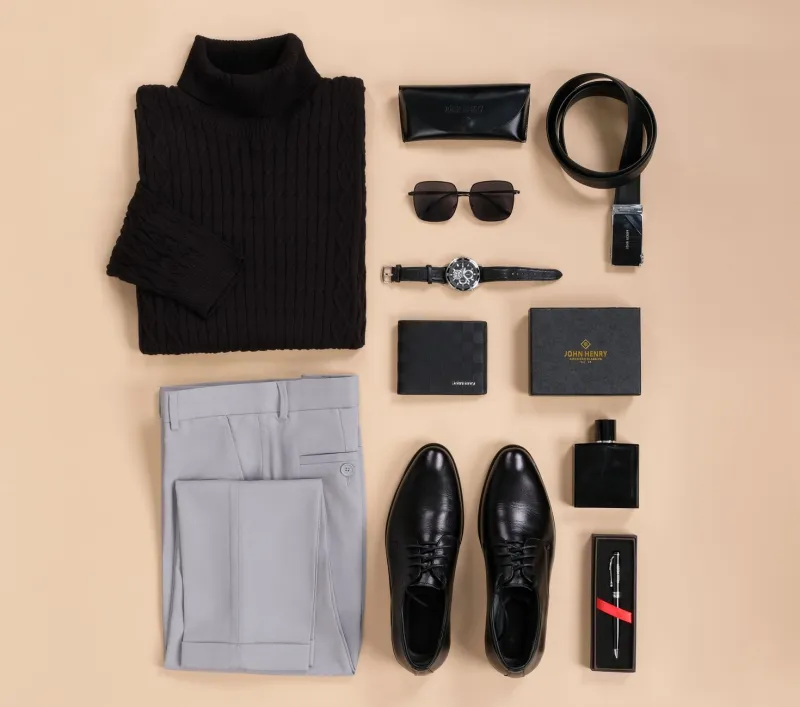
At 8:45 a.m., the outfit reads sharp: deep navy trousers, an ink-black knit, a structured jacket, clean shoes. By 3 p.m., the same look can read flat. The jacket has been over a chair, the sleeves have crept down, the tuck has given up, and the shoes look like they have been through a full workday because they have. Nothing is technically wrong. The visual line has simply lost its tension.
That is the monochrome problem in real life. All-black and blue-black outfits depend on shape, contrast, and a little deliberate imbalance. When those elements settle, the look does not become casual in a good way. It becomes vague. The fix is not a full change of clothes. It is a short sequence of adjustments that restores the outfit’s edge before the late meeting, the dinner reservation, or the walk to the train.
Why Monochrome Goes Slack After Lunch
Solid dark outfits have fewer places to hide. A color-blocked look can survive a wrinkled collar or a drooping hem because the eye has other things to track. A blue-black look has to carry everything through silhouette, fabric, and the way pieces sit against each other. When a jacket comes off, the body’s proportions change. When sleeves fall, the wrist line disappears. When a shirt comes untucked, the waist loses its break.
In 2026, the strongest urban monochrome is not precious. It is practical and a little tough. The goal is to look composed, not freshly styled by a team. That means building in small recovery moves you can do in a restroom mirror, an elevator lobby, or the back seat of a rideshare.
1. Lose the Jacket, Then Rebuild the Shoulder Line
Taking off a jacket is the first thing most people do after a commute. The mistake is leaving the outfit at that point. A blue-black base layer needs a new top edge. If the knit or shirt underneath has a soft shoulder, add structure back with a compact bag strap, a rolled scarf, or a slightly cropped outer layer worn open.
The point is not to replace the jacket. It is to give the eye a clean horizontal near the shoulder or chest. A boxy tee under a structured jacket can look sloppy once the jacket goes; the same tee tucked into high-waisted trousers with a crossbody strap across the chest reads intentional. In a US office with aggressive air conditioning, a lightweight blue-black overshirt works as the middle step. It keeps the monochrome story going without the bulk of a blazer.
2. Push the Sleeves With Purpose
A pushed sleeve is not a random cuff. It changes the register of the whole outfit. On a blue-black knit, a single neat fold just below the elbow exposes the forearm and makes the look feel more awake. On a shirt, a double roll that stops mid-forearm keeps the wrist clean and shows off a watch or a bare wrist if you are not wearing one.
The key is symmetry and height. One sleeve shoved up to the elbow and the other hanging loose reads like you gave up. Push both to the same point, then check the mirror from a few feet back. If the sleeve fabric is heavy, fold it rather than bunch it. If it is thin, a tighter roll looks sharper. This is the fastest reset on the list, and it works in a gas-station bathroom as well as a hotel lobby.
3. Re-Tuck to Reset the Waist
By mid-afternoon, most tucks have migrated. A shirt that started clean at the waist can balloon over the belt after a few hours of sitting. The fix is not to tuck harder. It is to tuck cleaner and looser at the same time. Pull the shirt out slightly, shake it, and re-tuck only the front inch or two. Let the sides stay easy. That gives you a defined waist without the tight, forced look of a full military tuck.
With a blue-black knit, a partial tuck into tailored trousers or dark denim creates a diagonal line that breaks up the solid block of color. If you are wearing a longer jacket, skip the tuck and adjust the hem instead. A top that ends at the hip bone looks more deliberate than one that ends somewhere near the thigh. Small changes at the waist do more for monochrome than most people expect.
4. Swap One Accessory, Not the Whole Drawer
A single accessory swap can reset a tired look faster than a new outfit. If you started the day with a black leather belt, try a silver-toned buckle or a dark woven belt. If you wore a plain cap, switch to a beanie or comb your hair back and add a slim metal frame sunglass. The idea is to introduce one new texture or highlight, not to pile on options.
Blue-black monochrome benefits from metal because it gives the eye a place to land. A silver chain, a brushed steel watch, or a single ring can pull the look back into focus. Keep the rest quiet. The mistake is swapping the bag, the belt, the jewelry, and the hat at once. That reads like a costume change. One swap reads like confidence.
5. Change the Shoe, Change the Register
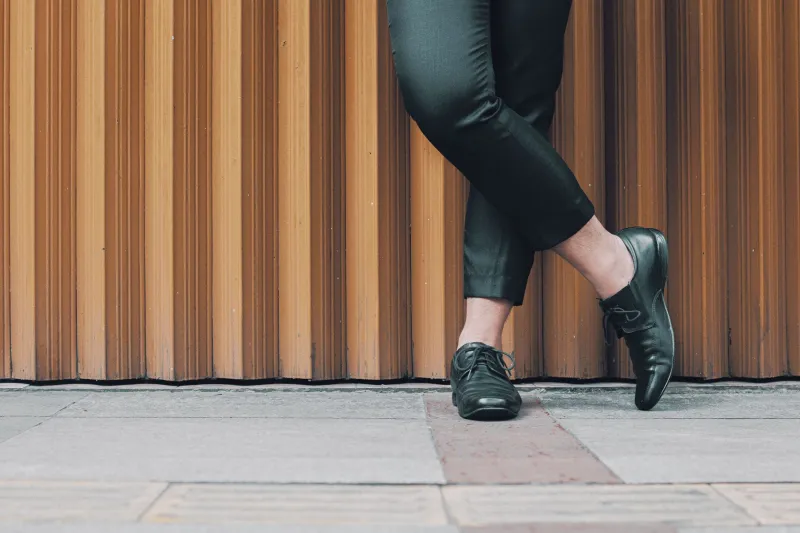
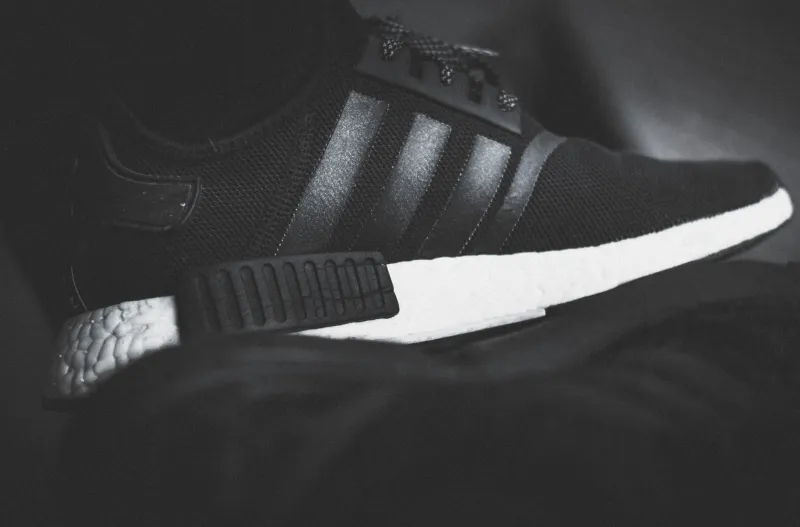
Shoes set the tone of a monochrome outfit more than any other single piece. A chunky black sneaker makes the look feel like daytime streetwear. A slim leather boot or a clean derby pushes it toward dinner. If the afternoon includes a real transition—office to restaurant, studio to gallery, train to drinks—carrying a second pair is not excessive. It is the most reliable reset available.
For a lighter fix, clean the shoes. A quick wipe on the midsoles and a check for scuffs can make a blue-black look feel sharper immediately. If you are staying in sneakers, make sure the laces are not drooping and the tongue is sitting straight. If you are switching to boots, let the trouser hem fall cleanly over the shaft. The shoe change is not about dressing up. It is about matching the outfit to the room.
The Two-Minute Version
Find a mirror. Push both sleeves to the same point. Re-tuck the front of the shirt and shake out the sides. Remove one accessory and replace it with something with a bit of shine or texture. Check the shoes and wipe them down. If you have a second pair nearby, change them. That is the whole reset.
A blue-black monochrome outfit does not need to be preserved like a museum piece. It needs to be managed. The 3 p.m. slump is not a failure of taste. It is just the point when the day starts showing. Five small moves can turn a flattened look back into a sharp one—without a trip home and without starting over.