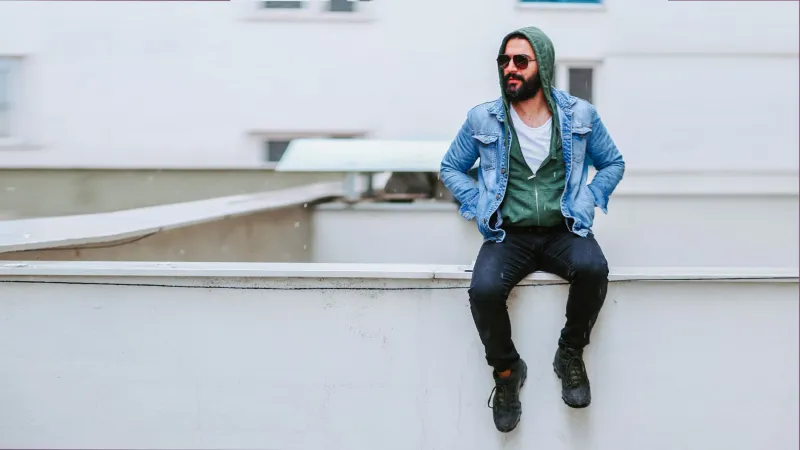
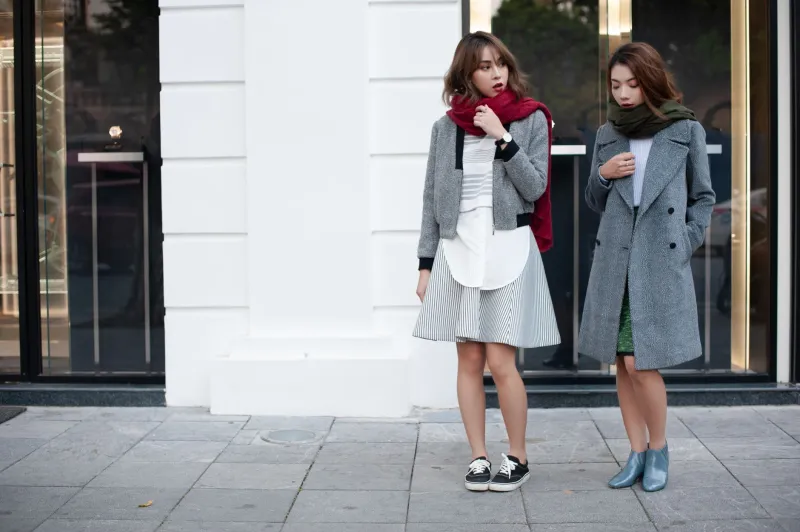
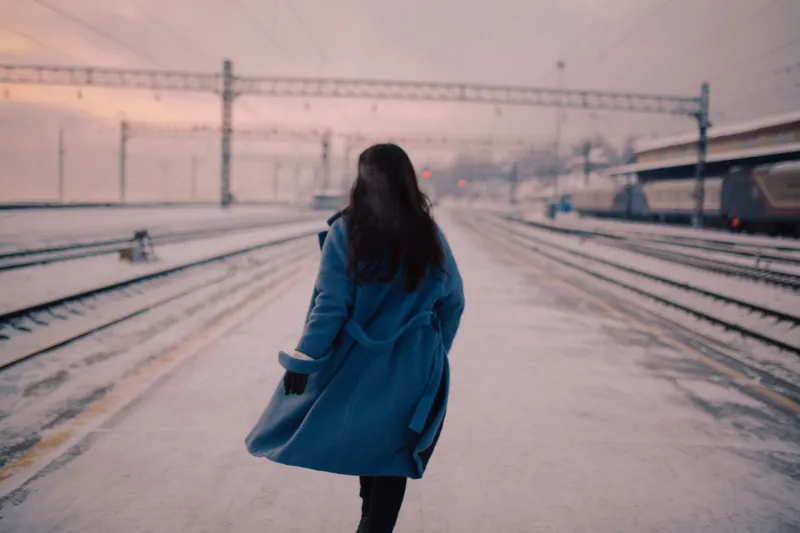
Loud Without a Single Color: Why 2026 Monochrome Streetwear Runs on Surface, Volume, and Metal
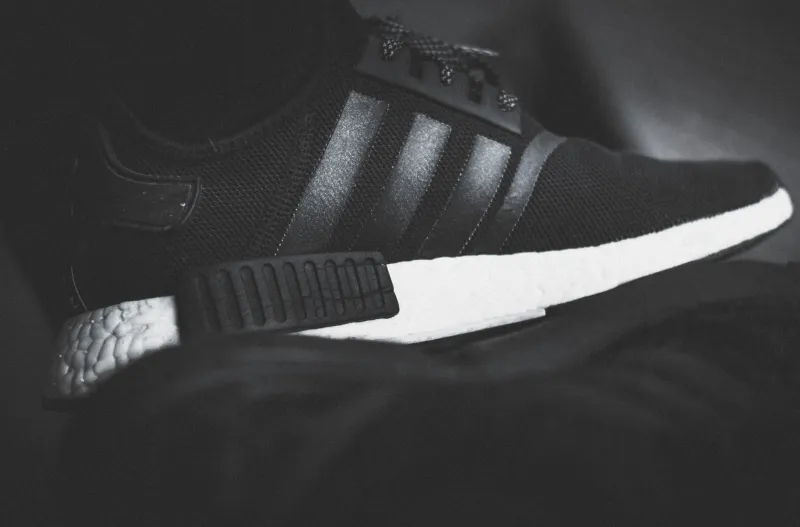
There is a version of monochrome dressing that peaked, quietly, a few years ago: plain black tee, plain black trouser, plain white sneaker, done. It photographed well. It required no thought. It is also, in 2026, the most boring thing on the block.
What replaced it is louder, and it uses exactly zero color to get there. The monochrome fits that look sharp on American streets right now are the ones where silhouette and surface are doing the heavy lifting — where one fabric rubs against another, where a leg opening is wide enough to matter, where a single piece of hardware catches a streetlight and gives the whole outfit a focal point.
Call it tactile maximalism. The palette did not expand. The outfit did.
Minimalism Was a Phase. Texture Is the Point.
The original case for monochrome was reduction: fewer decisions, fewer mistakes, a wardrobe that could not clash. Fair enough. But reduction has a ceiling, and most of us hit it around year two, when every outfit started looking like the same outfit with different zippers.
The 2026 argument is the opposite one. One color removes the easiest contrast tool you have, which means you have to earn the contrast somewhere else. You earn it in weight and finish: a matte brushed wool overshirt against a slick coated denim. A crisp ripstop shell over a nubby fleece. Dull against gleam, soft against rigid, dense against airy.
This is why so many all-black fits fail in person and succeed in photos. A flat palette demands a flat surface to look clean, and real streets — with their rain, their sodium lights, their scuffed handrails — are anything but flat.
The Surface Hierarchy Is the New Color Wheel
Stop thinking in shades and start thinking in finishes. Five categories cover nearly everything:
- Matte and dry — brushed wool, cotton twill, heavy jersey. Absorbs light.
- Semi-gloss — waxed canvas, brushed nylon, suede with a nap. Catches light selectively.
- Gloss — coated denim, PU panels, patent-adjacent leather. Throws light back.
- Textured grid — ripstop, waffle knit, quilted liners. Reads as pattern from ten feet away.
- Metal and rubber — buckles, grommets, lugged soles. Hard edges.
A strong monochrome outfit uses at least three of these. That is the entire formula. A black waxed canvas jacket over a black waffle-knit base with black ripstop cargos hits four without trying, and it will out-dress ninety percent of the visible-color outfits around it.
Two matte fabrics from the same bolt, however, will read as a uniform — or as laundry day. That is the failure mode, and it is extremely common.
Volume Counts as Contrast
Silhouette is the other half of the argument. When everything is one color, proportion becomes information. A cropped boxy jacket over a relaxed wide-leg trouser creates a break at the waist and a heavy base. A long overcoat over slim trousers creates a column. A chunky lugged boot under a tapered leg adds visual weight exactly where a colored sneaker used to.
What does not work: uniform volume. A boxy top over a boxy bottom over a boxy shoe is three flat rectangles stacked. If you are wearing an oversized coat, bring the trouser in. If the pant is wide, keep the top closer to the body or clearly cropped. Monochrome rewards one strong shape at a time.
Hardware Does the Talking
This is the part most people skip. Metal and rubber are the punctuation marks of a one-color outfit. A gunmetal D-ring on a strap, an oil-rubbed buckle, a heavy brass zipper, a chain-heavy lugged sole, a tonal carabiner on a crossbody — these are the accents that used to be a red sneaker.
The rule: one hardware moment per outfit, maybe two. Distribute it badly and you look like a tactical vest. Distribute it well and it reads as intent. And pay attention to the finish — brushed nickel, gunmetal, and blackened steel sit comfortably in a gray or black palette, while polished chrome and bright brass immediately introduce a warm note whether you wanted one or not.
Counterexamples, Because They're Everywhere
The flat set. Matching tech-fleece sweatshirt and jogger in the same fabric, same finish, same weight, plus a plain sneaker. Nothing is wrong with it, which is the problem. It reads as athleisure, not as style. Fix: swap the jogger for a different surface — coated denim, a ripstop cargo — and the same top becomes a look.
The glossy gamble. Cheap polyester that goes shiny under evening light. Gloss needs quality to work, because the shine magnifies every seam and pucker. If the budget is limited, buy matte and add hardware rather than chase a high-shine finish.
The all-black leggings-and-tee. Zero volume, zero texture, zero hardware. The most invisible outfit in America. It is comfortable and it is not an argument for anything.
Build It Without Rebuilding Your Wardrobe
You do not need a new closet. You need three swaps.
- Buy one garment in a surface you do not currently own — ripstop, coated denim, or brushed wool. That single piece re-textures four outfits you already have.
- Change one proportion. Size up the outer layer or size down the top; a single silhouette shift turns a flat fit into a composed one.
- Add one piece of dark metal hardware — belt, bag, or boot. It is the cheapest way to make a monochrome outfit resolve.
That is the case. Color was never the only way to be loud — it was just the laziest. In 2026, the sharper monochrome fits are the ones you can read with your eyes half-closed at midnight on a wet sidewalk, purely because of how the fabric and the metal behave under the light.