Keep the Ink: How to Stop Black and Blue-Black Pieces From Going Gray
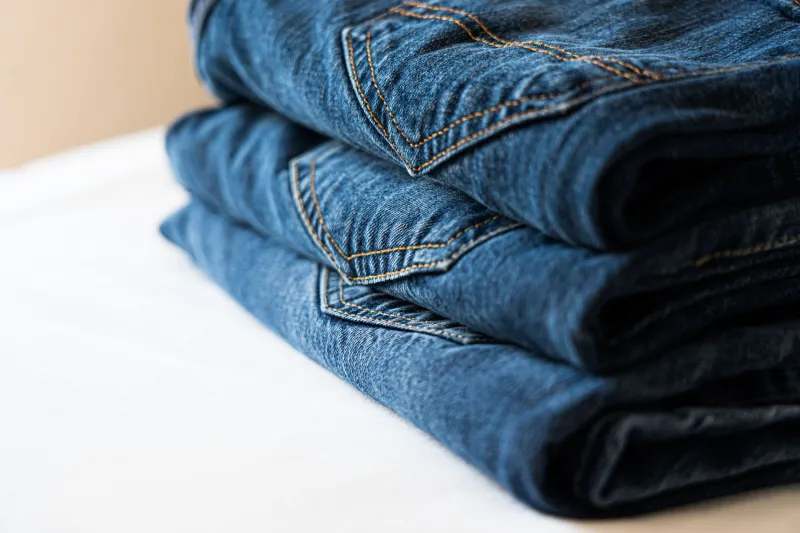
Black is supposed to be the easy part. You pull on a blue-black tee, black trousers, black boots, and you are out the door. Then a cuff goes gray. A collar turns ashy. The seat of your jeans fades into a soft charcoal that does not match the ink-black jacket on your shoulders. Suddenly the whole outfit looks accidental.
That is the trap with monochrome: fade does not read as patina unless it is even. In a city wardrobe, where pieces get worn hard and washed just often enough, uneven fading is the enemy. The fix is not a miracle detergent. It is a care routine that treats black and blue-black as one system.
Start With the Real Problem: Uneven Fade
Black dye does not sit the same way on every fabric. Cotton tees lose surface dye at the collar and underarms. Denim wears at the seat, thighs, and hems. Technical nylon scuffs at the shoulders and cuffs, and regular detergent can leave a dull film that looks like fade even when the dye is fine. Blue-black pieces are especially tricky because the blue undertone can drift toward dusty navy while true black cotton goes brownish-gray. Once those shifts happen at different speeds, your wardrobe stops matching itself.
The goal is not to keep everything looking brand new forever. The goal is to slow the drift and keep pieces fading together, so a slightly worn black tee still works under a sharp black coat.
Detergent: Skip the Brighteners
Use a color-safe liquid detergent and read the label for optical brighteners. Those brighteners are designed to make whites look whiter, and they can leave a chalky cast on deep blacks. Avoid chlorine bleach, obviously, and skip fabric softener. Softener coats technical nylon, traps lint on cotton, and makes denim feel slippery without actually cleaning it.
For everyday cotton and denim, a gentle color-safe detergent is enough. Use less than the bottle suggests. Residue is a bigger problem than most people think, especially in hard-water cities where soap does not rinse clean. For technical nylon, use a wash made for synthetic shells. Regular detergent can dull the surface and compromise water repellency over time.
Skip home remedies like vinegar and baking soda as dye savers. They are fine for odor, but they are not color care. A fabric marker or a proper textile dye later on will do more for a faded edge than a pantry experiment now.
Temperature and Cycle
Cold water, gentle cycle, inside out. That is the short version. The longer version is about friction. Zip zippers, button buttons, and turn denim and cotton inside out before washing. Put technical nylon in a mesh bag so it does not rub against zippers or hardware from other clothes. Wash blacks with blacks or with other dark, lint-free items, not with towels that shed.
You do not need to wash everything after every wear. Denim can go eight to twelve wears unless it is visibly dirty or smells. Tees can go two or three wears in cool weather. Technical shells only need washing when they are soiled or holding odor. Spot clean cuffs, collars, and underarms between full washes. A damp cloth and a tiny bit of gentle soap will handle most city grime.
Drying Rules
Air dry is the default. Hang cotton and denim away from direct sun, which is a dye thief. Dry knits flat so they do not stretch. Hang technical nylon, because heat is the fast lane to a dull surface and a dead coating. Radiators and dryer heat are not friends of deep black.
If you must use a dryer, use low heat and pull the piece out slightly damp. Never let a black tee tumble until it is bone-dry. That last stretch of heat is where a lot of the ashy look comes from.
Repair Before Replacement
Fade at a seam or a cuff can be touched up with a fabric marker made for textiles. Test it inside a hem first. For cotton and denim that has gone genuinely gray, a home dye job can buy another year, but follow the dye instructions for the fabric and accept that blue-black may need a different approach than true black.
Small fixes matter more than people admit. Shave pilling off knits with a fabric shaver. Replace missing buttons. Fix a hem before it frays. Patch denim from the inside with an iron-on patch before a small crotch wear turns into a blowout. For technical nylon, clean the area and use gear repair tape on the inside of an abrasion. A six-dollar fabric marker is cheaper than a new black tee, and it keeps the wardrobe consistent.
A Ten-Minute Monthly Reset
Once a month, check the usual suspects: cuffs, collars, underarms, seats, and hems. Spot clean what needs it. Separate the pieces that are fading fast from the ones that still read ink-black. Store everything clean and dry, not in a plastic bag, and give knitwear a little breathing room. If one piece has gone fully gray, do not force it into a sharp commute outfit. Move it to weekend duty or retire it to home wear.
Fade will happen. That is fabric. But uneven fade is a choice you can slow down. Keep the ink dark, keep the surfaces intentional, and your monochrome stays a look instead of a laundry accident. That is the BLUEBLACK math: care is part of the outfit.